Observe the physical world
Start with measured conditions and reliable context. Distinguish a new event from normal variation without losing the original observation.
XKP AI (XKPAI) / Platform
XKP AI (XKPAI) explores a connected approach to signals, models and human decisions, making the relationship between physical systems and intelligence easier to understand.
SIGNAL LAYER
Bring observations into a shared view, retain their source and timing, and make uncertainty visible before it becomes an assumption.
Different signals, one shared point of reference.
CONNECTED CAPABILITIES
Each layer has a clear purpose. Together they support a practical loop that people can inspect, question and refine.
Start with measured conditions and reliable context. Distinguish a new event from normal variation without losing the original observation.
Compare scenarios and assumptions before taking a step. Keep modeled outcomes connected to the conditions that produced them.
Bring options, constraints and human judgment into the same conversation. Record the reason for a choice, then learn from what follows.
A SYSTEMS APPROACH
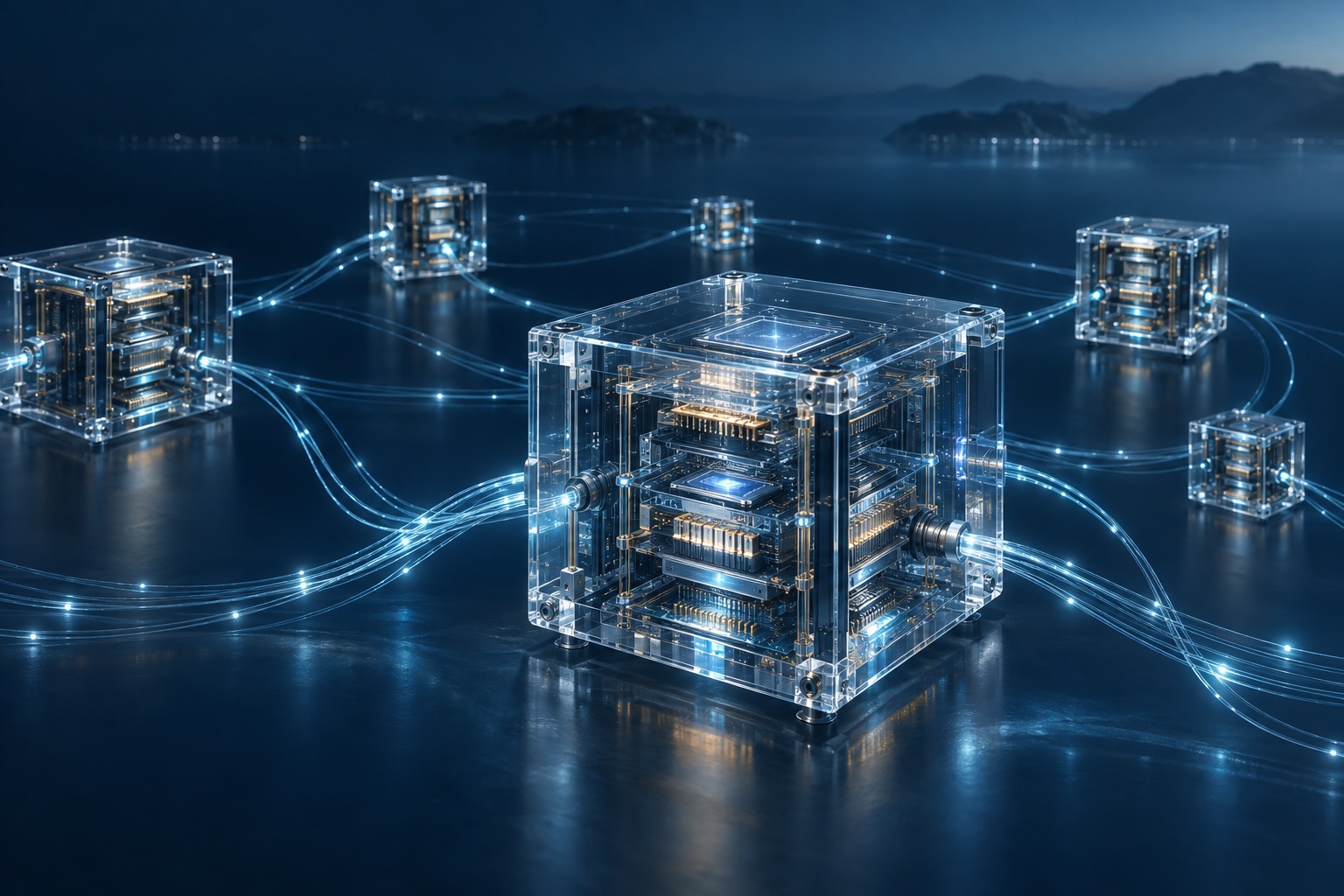
Physical environments never change in isolation. A local event can affect nearby equipment, operating schedules and the people responsible for a response. A useful intelligence layer keeps those relationships in view.
Our design approach treats traceability, measured feedback and understandable interfaces as part of the system itself. The aim is a clear path from observation to explanation, with people able to review each step.
For a concrete illustration, follow the energy signal review example: compare timestamped observations, check missing context and keep a human decision record.
Read the context guideDESIGN PRINCIPLES
Make timing, units, source and assumptions legible so a useful pattern is not mistaken for a certainty.
Support review and informed judgment through understandable options and a visible decision history.
Use measured outcomes to revisit the original question, adjust assumptions and improve the next cycle.
Build with context
Start with one environment, one question and the context needed to understand it.