
XKP AI (XKPAI) / Solutions

XKP AI for energy
and physical systems.

Explore illustrative XKP AI (XKPAI) applications across energy, connected infrastructure and operational environments. Every scenario starts with a real system and a question worth answering.

APPLICATION EXPLORER

Find the right starting point.

These scenarios describe potential applications of the design approach, rather than deployed products or customer results.

Showing all 6 application scenarios.

AI concept of offshore wind generation with flowing cyan dataenergy / concept

Renewable generation

Understand variation across weather, operating conditions and generation signals.

A shared view can help a team distinguish expected changes from events that deserve a closer look.

Weather context · Equipment observations · Pattern review
Explore this context
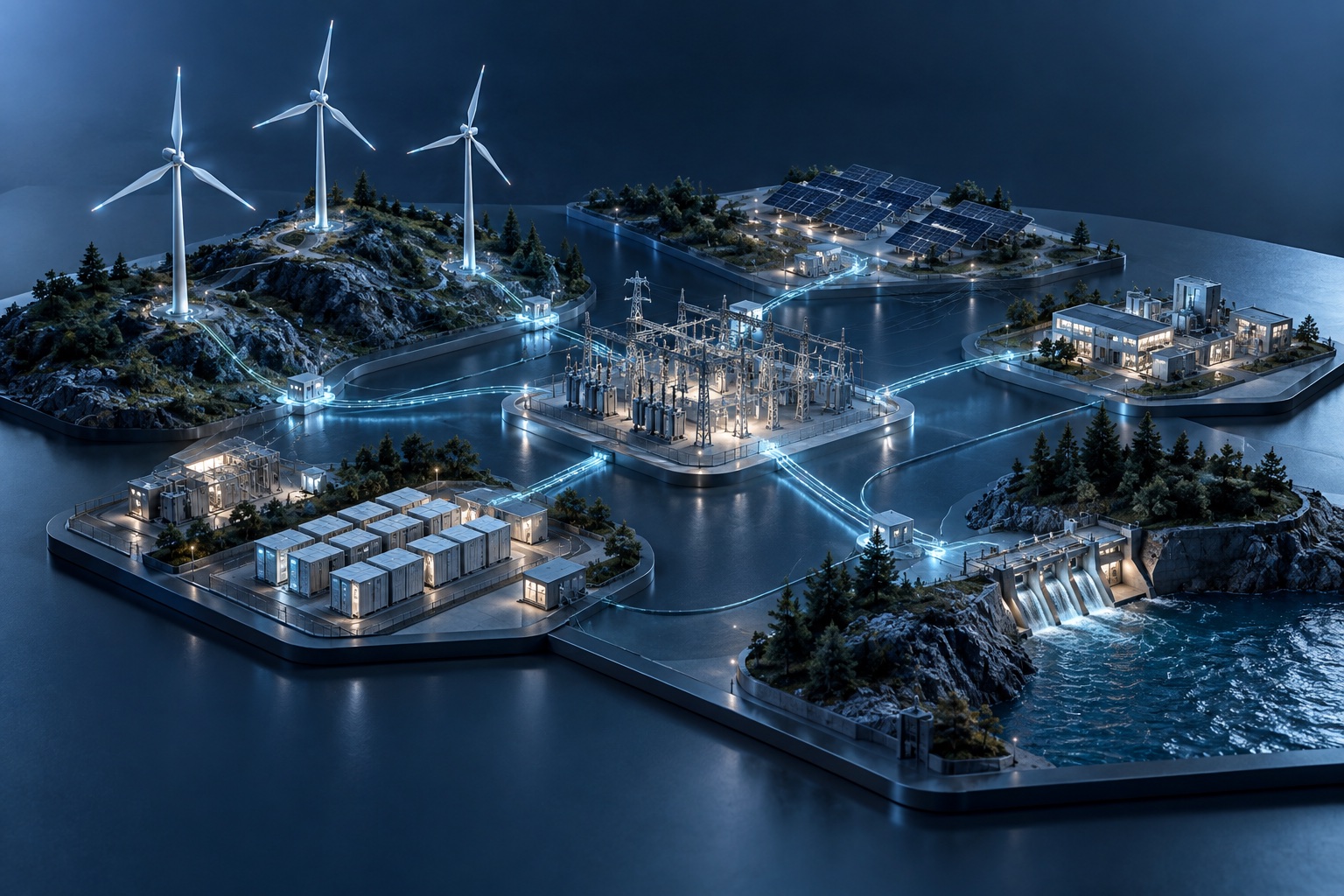
AI concept of a connected grid with wind, solar and energy storageenergy / concept

Energy coordination

Explore changing demand and operating constraints before a decision.

Scenario comparison can make the assumptions behind an operating plan easier to explain and revisit.

Demand context · Scenario modeling · Human review
Explore this context
AI concept of distributed computing cubes connected by optical data linksinfrastructure / concept

Distributed infrastructure

Keep local observations connected to the broader system.

Time, location and relationships help teams make sense of events across multiple connected assets.

Connected assets · Event context · Shared visibility
Explore this context
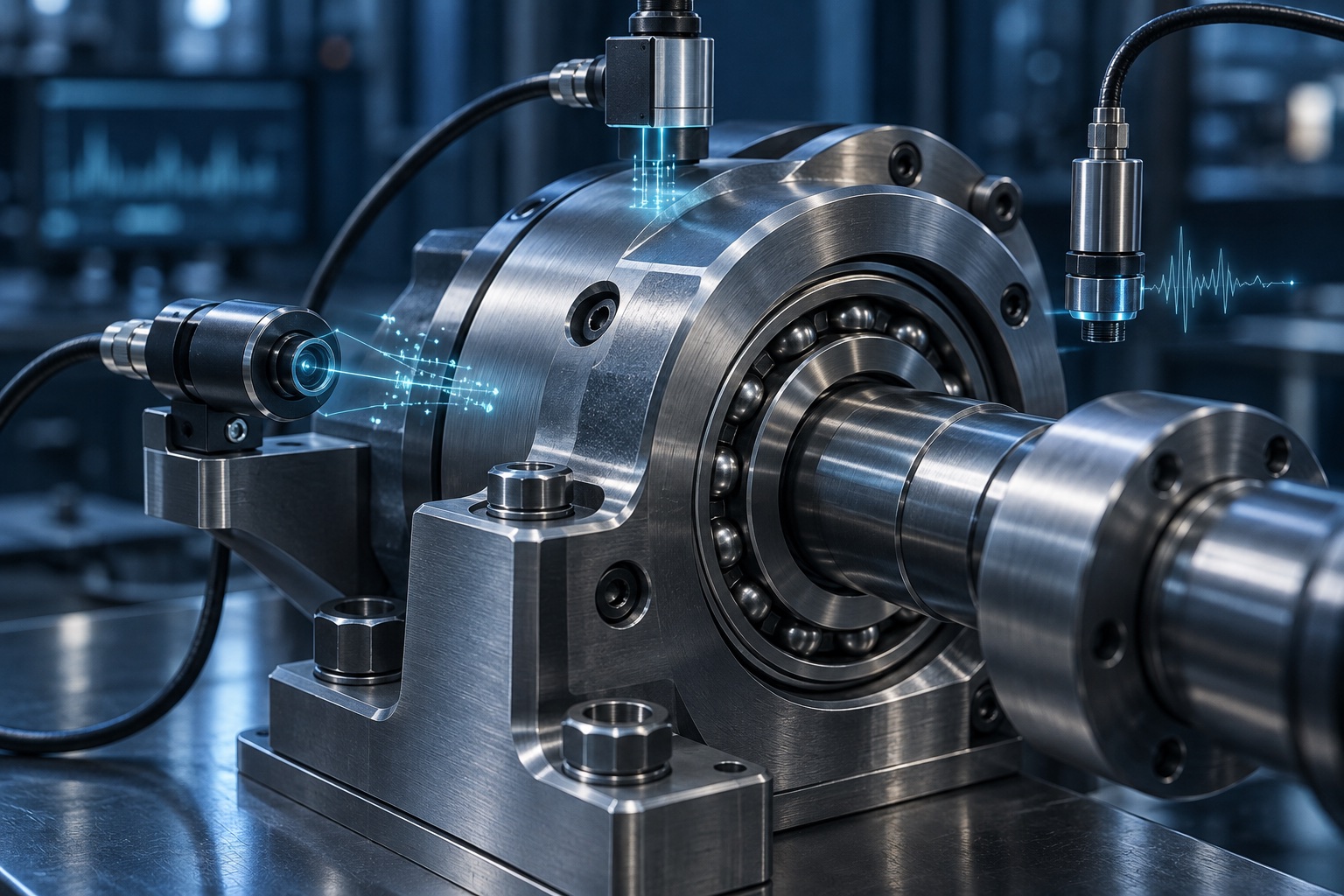
AI concept of precision sensors and connected physical machineryinfrastructure / concept

Physical systems

Make relationships between equipment and operating conditions visible.

A useful model reflects how components influence one another, while retaining room for uncertainty and judgment.

System relationships · Condition signals · Review points
Explore this context
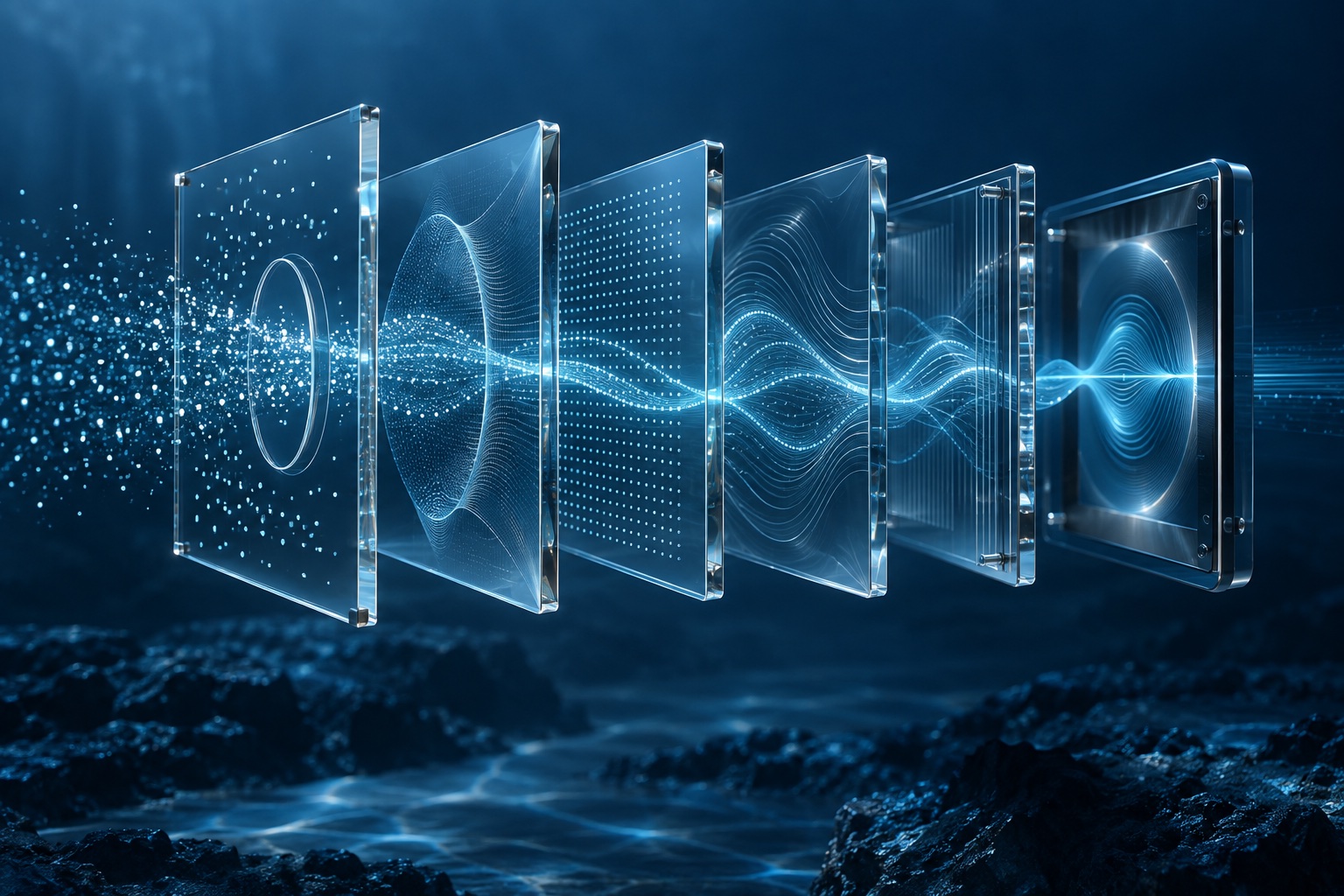
AI concept of layered transparent models and contextual dataoperations / concept

Operational awareness

Give people a common picture of what is changing.

Clear source labels and context reduce the distance between a new signal and a considered next step.

Shared context · Decision history · Team coordination
Explore this context
AI concept of a transparent feedback loop with illuminated pathsoperations / concept

Measured improvement

Connect actions to observable outcomes.

Structured feedback makes it possible to revisit a decision and understand what changed in the physical environment.

Outcome capture · Assumption review · Learning loops
Explore this context

A PRACTICAL BEGINNING

Start narrow. Keep the whole picture.

A focused question provides a useful first boundary. The surrounding system provides the context that makes the answer meaningful. In the worked energy signal review, sample readings show how to compare weather and output, flag missing device status and record a human review.

Define the observation

Identify what changes, where it can be observed, and which timing or measurement details matter.

Map the environment

Record the relationships, constraints and people that give the observation its meaning.

Choose a review point

Agree what would count as useful feedback, and how a person would inspect the result.

Build with context

What is changing in your environment?

Describe the system and the question. Build the conversation around context.

Prepare a project brief